
Guilt and Responsibility
Three SecondsThis thread traces how guilt moves between Hoffmann, Grens, and senior officials, and how the story challenges attempts to label a lethal decision as merely procedure.
increasing Bearing strength in each event
 decreasing
Bearing strength in each eventdecreasingHoffmann’s First Guilt

A Death He Could Not Prevent
The cost of cover
Hoffmann watches a fellow infiltrator die after his cover is exposed. He believes that intervening further would have cost his own life and destroyed the larger operation.
The calculation keeps him alive but does not remove his responsibility from memory.
A private grief
In Warsaw, he imagines the dead man’s family and cries for someone whose name he did not know during the deal.
The scene establishes that survival and moral innocence are not the same thing.
A Decision Made on Lies
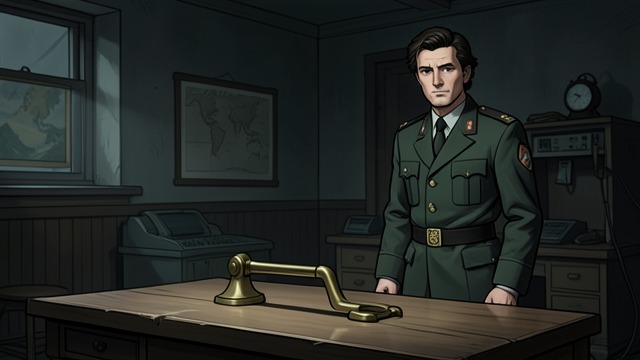
The Commander’s Burden
A decision under pressure
Grens believes a hostage taker with a documented violent history is about to kill two people. He orders a sniper to fire when no safer intervention appears possible.
The command is his, and he knows he will have to live with its consequences.
Information withheld
The file informing his decision has been manipulated, and senior officials know that Hoffmann is an undercover source. Grens is acting with false evidence supplied by his own institution.
The novel distinguishes culpability from responsibility without pretending that the distinction makes the death painless.
A Manufactured Explosion
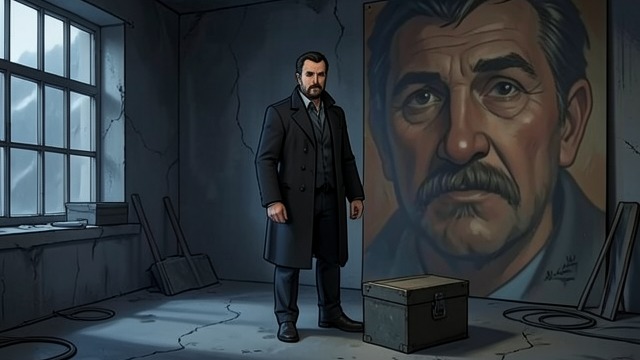
Death as Evidence
Explosives beside the bodies
Krantz and Grens discover that pentyl and nitroglycerine were deliberately placed near the hostages, and that the diesel barrel had been moved into position. The explosion was designed, not accidental.
The evidence suggests Hoffmann intended to destroy the possibility of identification.
A revised moral account
The explosives complicate the belief that the authorities alone caused the deaths. Hoffmann had planned a lethal contingency and used the hostage crisis to shape the response.
Responsibility becomes layered rather than simple: officials manipulated the situation, Grens gave the order, and Hoffmann engineered the final scene.
Refusing Borrowed Guilt
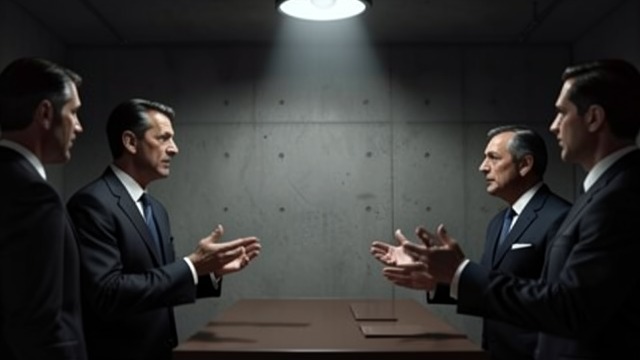
Who Must Carry It
The recording speaks
Grens listens to the officials discuss immunity, operational necessity, and Hoffmann’s danger. He recognizes that they have concealed the facts from the investigators who had to act.
He refuses to accept that his decision absolves those who created its conditions.
Accountability named
Grens tells the officials that they, not he alone, must carry the guilt for the death. His accusation is an attempt to restore responsibility to the people who used his authority.
The declaration does not erase his own role; it rejects the transfer of blame.
A Grave and a Release

Two Burdens Separated
Returning to Anni
Grens finally reaches Anni’s grave and reminds himself that he did not kill her. The cemetery allows him to face a past guilt that had shaped his routine for decades.
This moment follows his refusal to bear the guilt created by the officials’ deception.
Not innocent, not alone
Grens does not claim that he made no consequential choice. He recognizes that responsibility can be real without being exclusively his.
The distinction makes room for grief, accountability, and a future beyond endless self-punishment.
After the buyer is killed
May 27, when Grens orders the shot
The forensic inquiry after the siege
The night Grens confronts the officials
After Grens’s confrontation with the officials
